The sustainability landscape for life sciences organizations is changing rapidly.
Over the past 12 months, sustainability leaders across pharma, biotech, medical device, diagnostics and life sciences services organizations have faced a difficult balancing act. While many teams have experienced budget constraints, hiring freezes and growing resource pressures, expectations around sustainability performance, reporting and risk management continue to increase. Insights reflected throughout the 5th Sustainability in Life Sciences 2026 brochure show that organizations are focusing on maintaining progress despite leaner teams, evolving regulations and greater demands for measurable business value.
As a result, sustainability functions are evolving from compliance-focused teams into strategic business partners responsible for reducing risk, improving resilience and demonstrating return on investment.
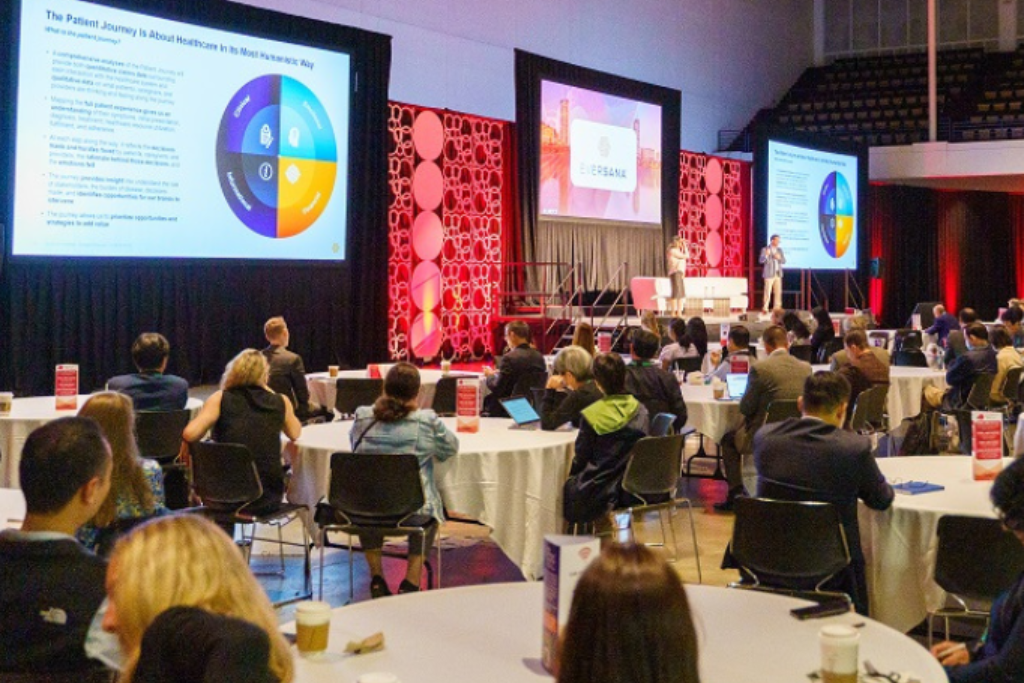
These challenges are shaping the conversations at the 5th Sustainability in Life Sciences Summit, taking place in Boston this November.
Sustainability Teams Must Deliver More Impact With Fewer Resources
One of the most consistent themes emerging across the industry is resource pressure.
Many sustainability teams have been asked to maintain or even expand programs while operating with reduced budgets, leaner headcount and growing reporting obligations. At the same time, stakeholder expectations continue to rise.
The challenge is no longer simply setting ambitious sustainability targets. Teams are increasingly focused on:
- Prioritizing initiatives with the greatest business impact
Improving reporting efficiency
Automating data collection and governance processes
Embedding sustainability responsibilities across business functions
Securing executive support for long-term initiatives
According to the summit agenda, organizations are actively exploring how to build finance-ready business cases, improve ESG data governance and maintain sustainability momentum despite resource constraints.
The reality is clear: sustainability leaders must demonstrate how their programs contribute to business resilience, operational efficiency and long-term growth.
Regulatory Uncertainty Continues to Challenge Organizations
The global regulatory environment remains one of the most significant areas of concern for sustainability professionals.
While sustainability reporting requirements continue to evolve, the pace and direction of change varies significantly between regions. Organizations are now navigating a complex mix of:
- US federal and state-level disclosure requirements
- California climate reporting legislation
- European sustainability reporting frameworks
- Supply chain due diligence expectations
- Investor and customer-driven reporting demands
For many organizations, the challenge is not simply compliance. It is understanding how to avoid duplication, streamline reporting and maintain confidence amidst ongoing regulatory changes.
Leading sustainability leaders are increasingly focused on building reporting frameworks that are flexible enough to adapt as requirements evolve while maintaining robust governance and assurance processes.
At this year's summit, experts from organizations including the U.S. Environmental Protection Agency, Bristol Myers Squibb, MilliporeSigma and others will share practical approaches to navigating changing regulatory expectations while reducing compliance complexity.
The Conversation Has Shifted From ESG Commitments to Business Value
Perhaps the most significant change in recent years is the way sustainability initiatives are being evaluated internally.
Executive teams increasingly expect sustainability investments to deliver tangible business benefits, including:
- Reduced operational costs
- Supply chain resilience
- Risk mitigation
- Improved customer relationships
- Enhanced market competitiveness
- Greater investor confidence
As economic and geopolitical uncertainty continues, organizations are placing greater emphasis on demonstrating measurable outcomes rather than focusing exclusively on sustainability targets.
The most successful teams are reframing sustainability initiatives in terms that resonate with leadership teams, procurement functions and finance stakeholders.
This shift explains why many organizations are investing more time in developing clear business cases that connect sustainability programmes to strategic business objectives.
Scope 3 and Supplier Engagement Remain Top Priorities
For many life sciences organisations, Scope 3 emissions continue to represent the largest sustainability challenge.
Supply chains within the sector are often global, highly regulated and dependent on complex networks of suppliers. Improving visibility, engagement and data quality across these networks remains critical.
Leading organisations are increasingly moving beyond compliance-based supplier engagement models and focusing on:
- Supplier capability building
- Procurement ownership of sustainability goals
- Data collaboration and integration
- Risk-based supplier engagement
- Long-term resilience strategies
Sessions from organisations including Thermo Fisher Scientific, Dentsply Sirona and Bristol Myers Squibb will explore how companies are strengthening supplier engagement while balancing limited internal resources.
Data, Reporting and Assurance Are Moving Centre Stage
As reporting requirements mature, many organizations are shifting attention toward improving sustainability data quality and governance.
Reliable sustainability data is now essential for:
- Regulatory compliance
- Assurance readiness
- Investor reporting
- Strategic decision-making
- Internal performance management
However, collecting and managing ESG data remains challenging for organisations operating with limited resources.
Many sustainability leaders are investing in stronger controls, clearer ownership models and more efficient reporting processes that reduce workload while increasing confidence in reported data.
Industry leaders from MilliporeSigma, United Therapeutics, Legend Biotech, Natera and Boston Scientific will share lessons on improving data integrity and establishing scalable reporting frameworks.
Looking Ahead: Building Resilient Sustainability Programmes
Despite ongoing uncertainty, sustainability remains firmly embedded within long-term business strategy across the life sciences sector.
The organisations making the greatest progress are those that are:
- Demonstrating measurable business impact
- Building resilience into supply chains
- Streamlining reporting processes
- Investing in high-value initiatives
- Strengthening cross-functional engagement
- Embedding sustainability into operational decision-making
As sustainability leaders prepare for 2027 and beyond, the focus is increasingly on creating programmes that can withstand economic pressure, regulatory change and shifting stakeholder expectations while continuing to deliver meaningful impact.
Join the Conversation at the 5th Sustainability in Life Sciences Summit
Attending Companies Include






Explore the Agenda
Discover practical strategies for proving sustainability ROI, navigating regulatory uncertainty, and delivering impact with limited resources.
Partner With Us
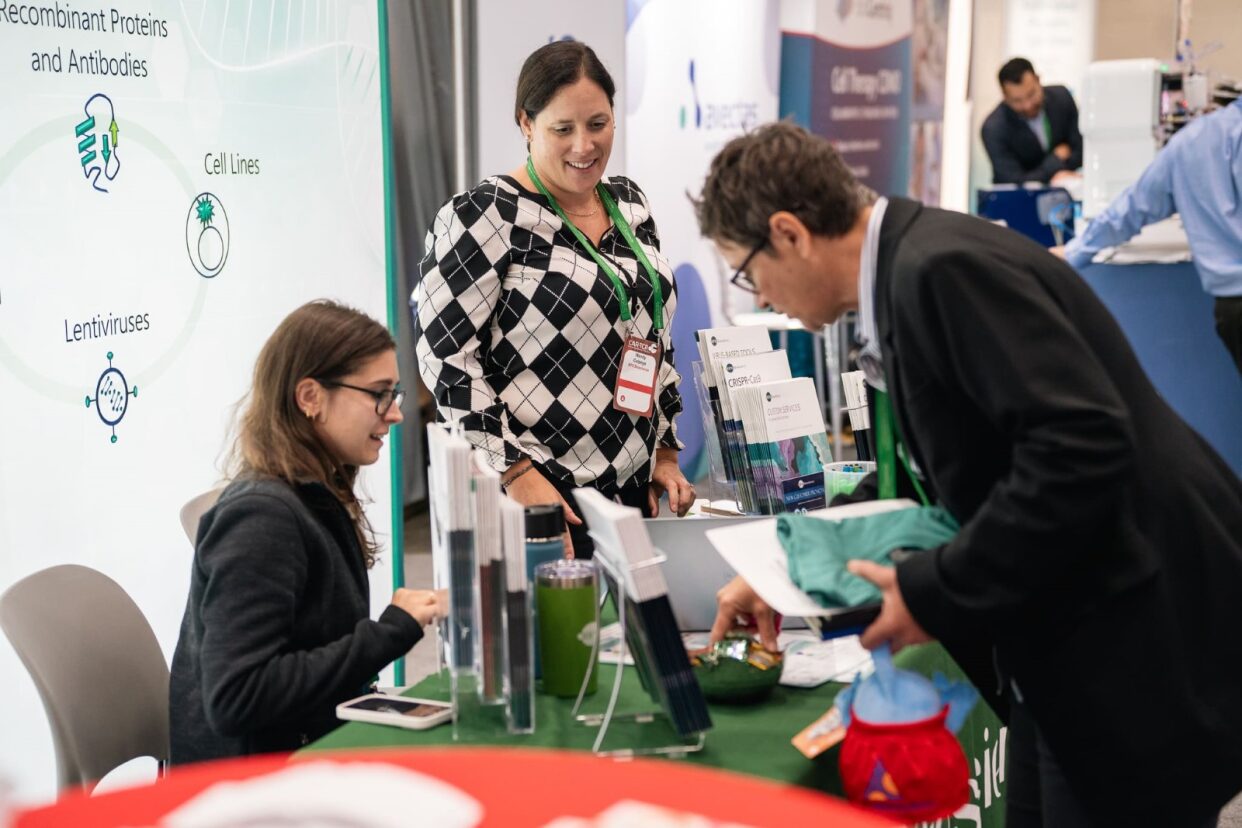
Connect directly with sustainability, compliance, procurement, and operations leaders shaping strategy across life sciences.

Join Sustainability Leaders
Benchmark your approach with peers from leading pharma, biotech, medtech, and life science organizations through dedicated networking and discussion sessions